When I quit my high-profile job at the University of Massachusetts 30 years ago and came home to farm in Nebraska, I started growing corn and alfalfa, relying on lots of inputs to maximize my yields. It didn’t take long for me to get disillusioned with high-input, chemical-based farming: After I paid all my bills, there was rarely any profit left for me.
If you manage a ranch or farm, fire watch services can help protect your livestock, crops, barns, equipment, and property from fire hazards caused by dry vegetation, electrical systems, machinery, and flammable materials. Having trained fire watch personnel from a Fire Watch Company in Mesa monitor your premises is especially important during high-risk activities or fire protection system maintenance, helping detect potential fires early and protect your workers, animals, and valuable assets.
Everyone talks about farming as a lifestyle. That may be true, but farming is a business first: If you want to keep doing it, you have to make a profit. Bankers don’t care how many bushels you produce. They want to be paid in dollars. They also want to see that your business is profitable!
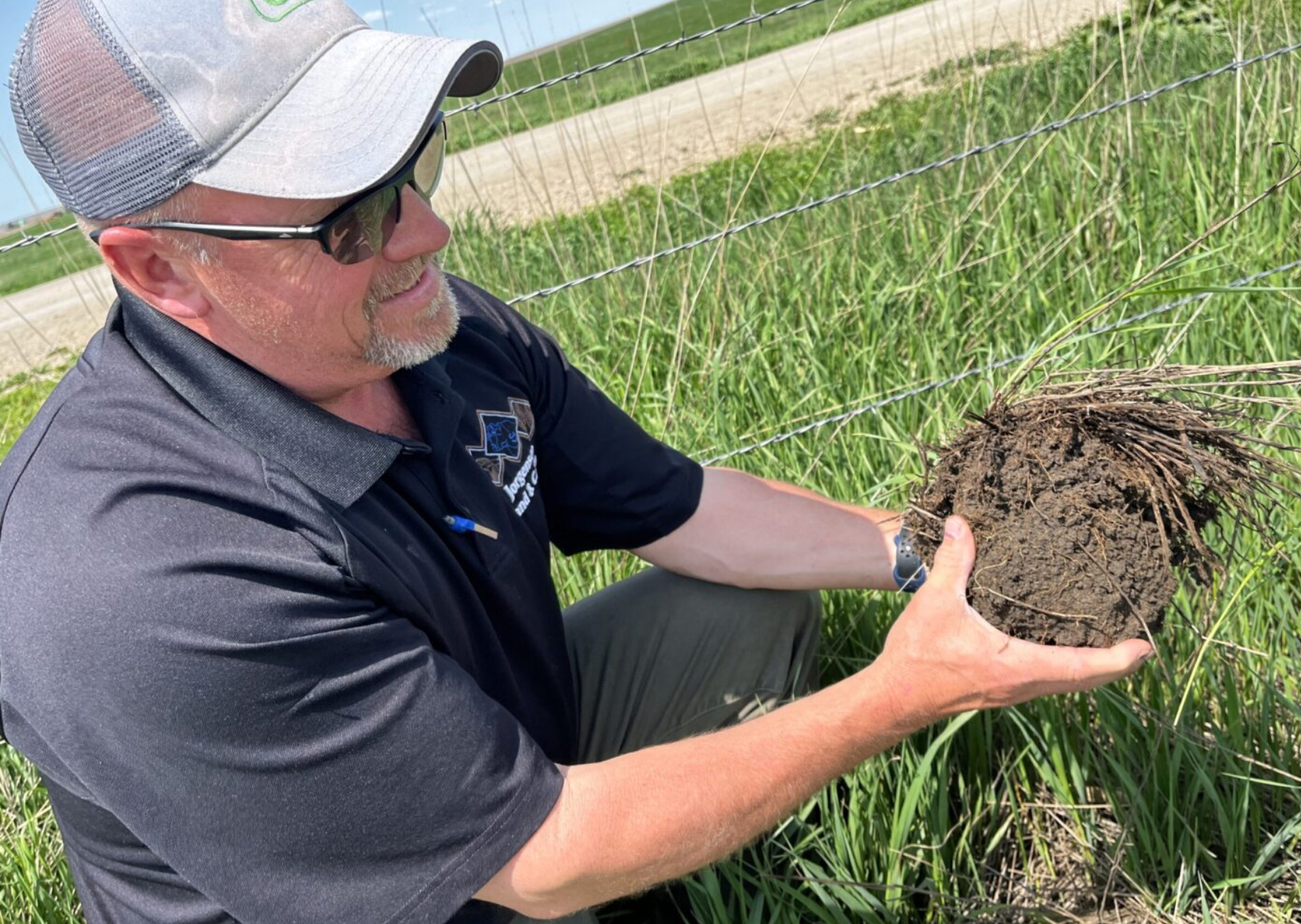
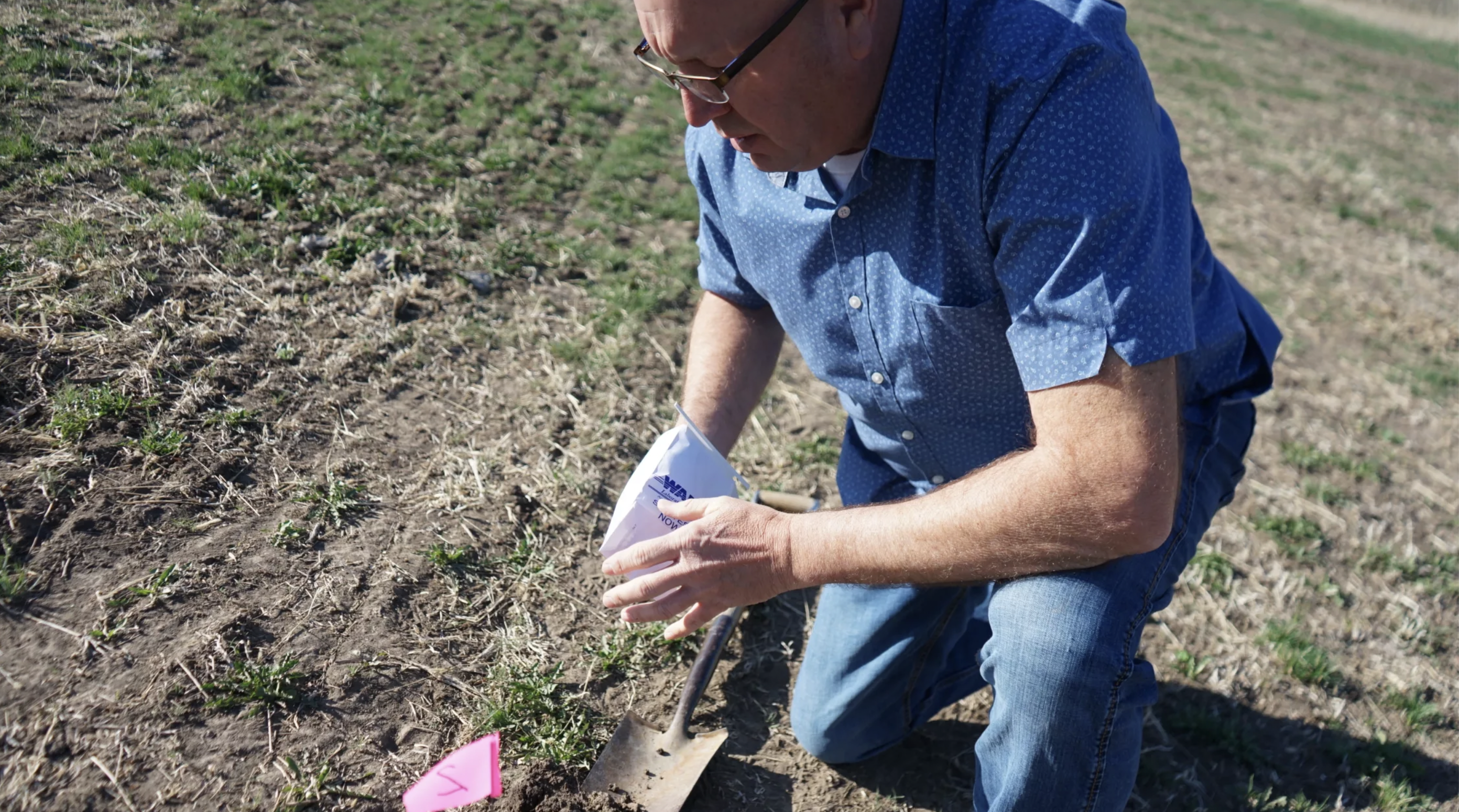
My profits improved the first year I began farming regeneratively and organically. I’ve found that the key to maximizing profitability is to reduce or even eliminate inputs, and then add value on the marketing end. Not only are my seed costs lower than conventional GMO seed costs, I’m also immune to all the outrageous fertilizer prices — which are now three to four times higher than what they were a couple years ago. I haven’t purchased any chemicals or commercial fertilizers in over 20 years. My cattle graze year-round and are integrated into my cropping system using an Adaptive Multi-Paddock (AMP) system. This symbiotic relationship improves soil health and fertility. Using these practices, I’ve been able to increase the soil organic matter on my crop fields from 1.5% to over 6%.
Read more at Progressive Farmer